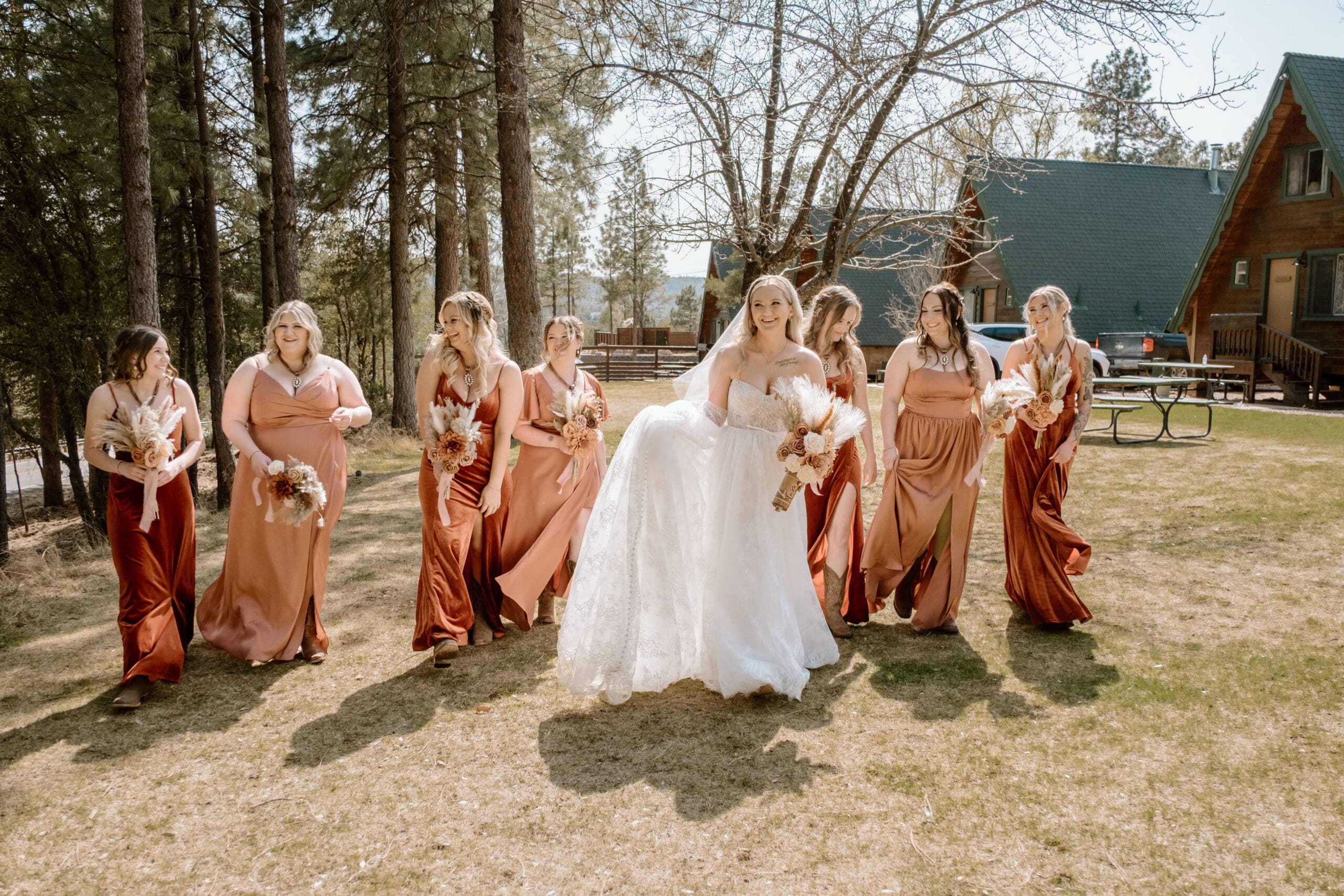
Choosing a wedding photographer is one of the most meaningful decisions you’ll make while planning your wedding day, and it’s about so much more than just beautiful photos.
Your photographer is there for the real, unscripted moments. The nerves before the ceremony. The quiet in-between glances. The chaos, the joy, the things you didn’t even realize were happening until you look back years later. Long after the day is over, your photographs are what remain.
With so many talented photographers out there, knowing how to choose the right one can feel overwhelming. This guide is here to help you make a confident, informed decision. One that feels right for you, your priorities, and the experience you want on your wedding day.
1. Start With a Realistic Photography Budget
Before reaching out to photographers, it’s important to have a general idea of what you’re comfortable investing in wedding photography.
Wedding photography pricing varies widely depending on location, experience, and what’s included. In 2026, couples typically find that photography falls into a broad range, with different price points reflecting different levels of experience, coverage, and service.
Rather than thinking in terms of “good” or “bad,” it’s more helpful to think about what’s commonly included at different investment levels:
- Lower investment ranges <$3000: often include photographers who are earlier in their wedding photography journey. This may mean fewer years of experience, simpler coverage, or more limited backups and systems.
- Mid-range investments $3000 – $6000: typically come with consistent editing, experience handling full wedding days, professional workflows, and reliable communication.
- Higher-end investments >$6000: often include extensive experience, refined storytelling, multi-photographer teams, advanced lighting, and a highly personalized client experience.
It’s also important to remember that wedding photography isn’t just about the hours on your wedding day. You’re investing in planning support, timeline guidance, image curation, editing, backups, and the care taken with your memories long after the celebration ends.
2. Pay Close Attention to Style & Editing Consistency
Every photographer has a unique style, and loving that style is essential!
When exploring portfolios, look beyond highlight reels on social media. Instagram is a great starting point, but it doesn’t always show the full picture of how a photographer tells a complete wedding story.
What to look for when reviewing a portfolio:
- It’s okay to ask to view full wedding or sample galleries, not just a handful of favorite images from social media!
- Notice how the photographer handles different lighting situations (bright sun, indoor ceremonies, dark receptions)
- Look for consistency from beginning to end of the day. Lighting will vary throughout the day, but the editing style should feel cohesive
A consistent style usually comes with time and experience. Anyone can capture a few beautiful moments, but consistency under pressure, changing timelines, and unpredictable lighting is what truly reflects experience.
Your wedding photos should feel timeless, cohesive, and true to how the day actually felt.
3. Reviews Matter, But Conversations Matter More
Reviews are a helpful tool, especially when you look for patterns rather than perfection. Pay attention to what couples consistently mention: professionalism, calmness, organization, communication, and reliability.
That said, reviews alone shouldn’t be the deciding factor.
Schedule a Consultation
A consultation gives you the chance to connect one-on-one and see if the photographer feels like the right fit. You’ll spend more time with your photographer on your wedding day than almost any other vendor so feeling comfortable with them matters.
Notice Communication Style
How a photographer communicates early on is often a preview of what working together will feel like.
- Do you feel heard and supported?
- Are responses timely and clear?
- Do they explain their process confidently?
Ask Thoughtful Questions
A few important ones to consider:
- How do you handle low-light situations?
- What happens if an emergency prevents you from attending?
- How are images backed up and protected?
- How many weddings have you photographed?
If answers feel vague or rushed, it’s okay to pause. Trust your instincts, feeling at ease is part of the experience.
4. Experience, Presence & Trust on the Wedding Day
Beyond technical skill, a great wedding photographer brings calm energy, adaptability, and confidence into fast-moving situations. Trust me… weddings are indeed fast-paced environments.
Weddings rarely run exactly on schedule. Lighting shifts. Emotions run high. Having someone who can anticipate moments, guide when needed, and blend into the background when appropriate makes a meaningful difference.
The right photographer doesn’t add stress to your day. They help it feel smoother, more grounded, and more enjoyable.
Trust is everything. When you trust your photographer, you’re able to stay present, knowing your memories are being cared for.
Final Thoughts
There are many talented wedding photographers out there, and the “perfect” one isn’t about price or popularity. It’s about alignment.
Choose someone whose work you love, whose approach you trust, and whose presence feels right. Ask questions. Take your time. And remember that this decision is about preserving memories you’ll return to for decades.
If this approach resonates with you, I’d love to connect and see if we’re a good fit.
How to Choose the Perfect Wedding Photographer
February 14, 2026
Back To The Blog